
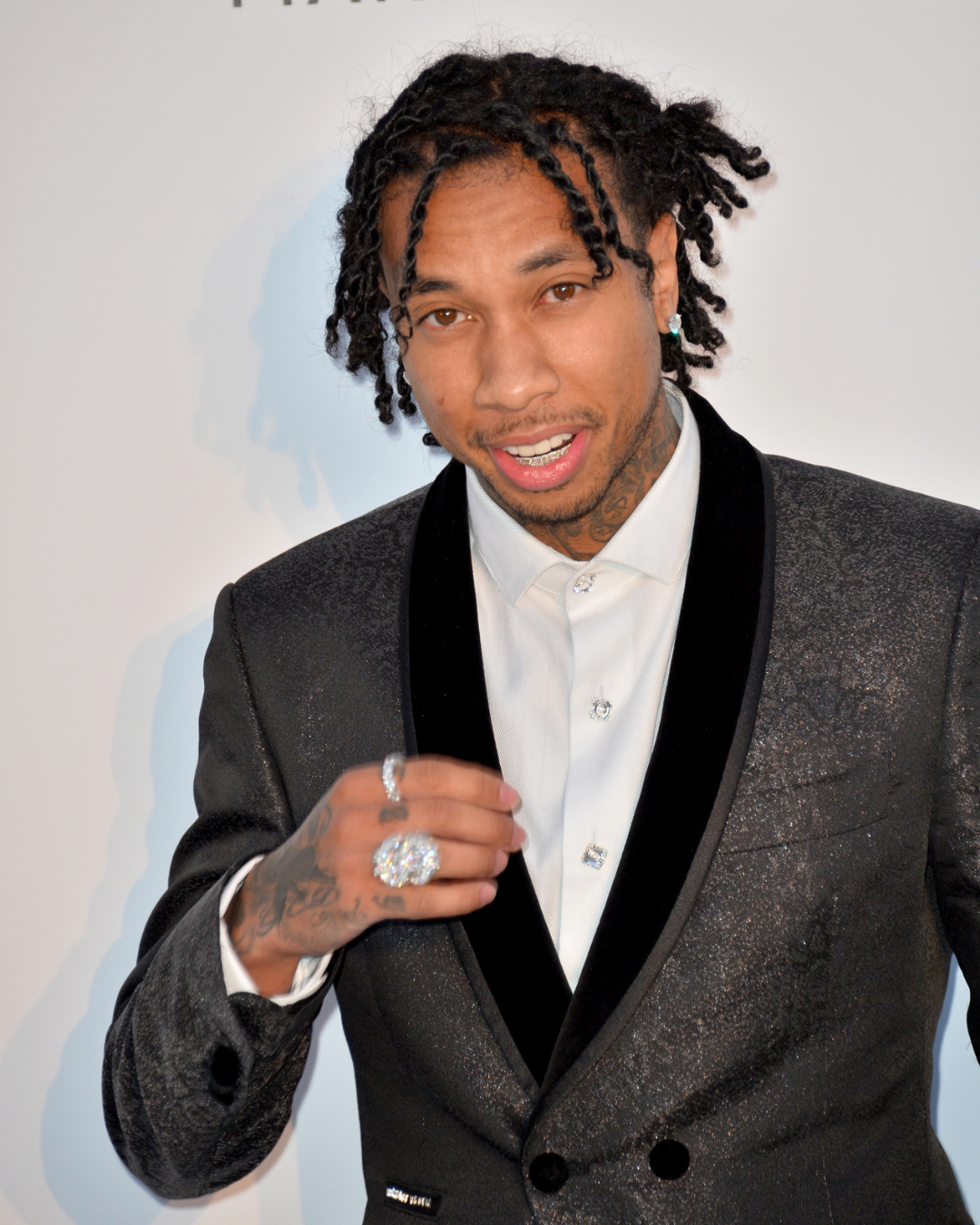
Tyga is pushing back against criticism over his use of artificial intelligence in music, arguing that AI should be viewed as another creative tool rather than a replacement for artists.
The rapper recently confirmed that AI was used during the creation of his new album, $tarface, an ’80s-inspired project released July 31. He compared the controversy surrounding AI to the backlash that followed Auto-Tune when it first became popular.
“It’s no different than when Auto-Tune came out,” Tyga said, arguing that some people opposed the technology initially, while artists eventually learned how to use it creatively.
Tyga Says the Music Is Still His
Tyga has emphasized that AI did not write his lyrics or perform his vocals.
According to the rapper, AI was used to help create certain musical elements, including ’80s-style synthesizers and guitar parts. He maintains that the writing and vocals were done by him.
For Tyga, that distinction is important.
He sees AI as a tool that can help artists experiment, move faster and create sounds that might otherwise take significantly more time to produce.
But not everyone sees it that way.
The Backlash Is Growing
The use of AI in music has become one of the industry’s biggest debates.
Some artists see the technology as an exciting new instrument. Others worry that AI could replace musicians, producers and other creative workers or make music feel less personal.
Tyga’s comments have also drawn criticism from fellow artists. Doja Cat publicly criticized his decision to use AI, adding another layer to an already heated conversation about authenticity in music. Tyga later responded by saying he still loves Doja and maintained that he created the album as a whole.
The critical response to $tarface has also been harsh, with Pitchfork giving the album a 0.0 rating and criticizing its creative execution and reliance on AI-assisted production.
Is AI Really the New Auto-Tune?
That’s where the debate gets complicated.
Auto-Tune changed music by allowing producers and artists to manipulate vocal pitch. What began as a controversial technology eventually became a standard tool across pop, hip-hop and R&B.
Generative AI, however, can potentially go much further.
Today’s AI music systems can generate melodies, instruments, arrangements and, in some cases, entire songs from prompts.
That’s why critics argue that comparing AI to Auto-Tune isn’t entirely accurate. Auto-Tune modifies a human performance, while generative AI can create musical material that may not originate from a human performance at all.
The Bigger Question: Where Does the Artist End?
Perhaps the real issue isn’t whether AI should be used in music.
It’s how much of the music should be created by AI.
If an artist writes the lyrics, performs the vocals and uses AI to create a background instrument, many listeners may consider that similar to using a synthesizer, drum machine or other production software.
But what happens when AI writes the lyrics, creates the melody, generates the vocals and produces the entire track?
At that point, people may reasonably ask: Who is actually the artist?
That question doesn’t have an easy answer yet.
Technology Has Always Changed Music
Every generation has had its controversial new technology.
Drum machines, sampling, synthesizers, Auto-Tune and digital production tools were all criticized at different points for changing what music was supposed to sound like.
Some eventually became essential parts of the creative process.
Tyga believes AI will follow a similar path.
Whether he’s right remains to be seen.
For now, the debate isn’t simply about whether AI can make music. It’s about whether audiences still value the human story behind the music.
And perhaps that’s the question that will determine where the industry goes next.
