
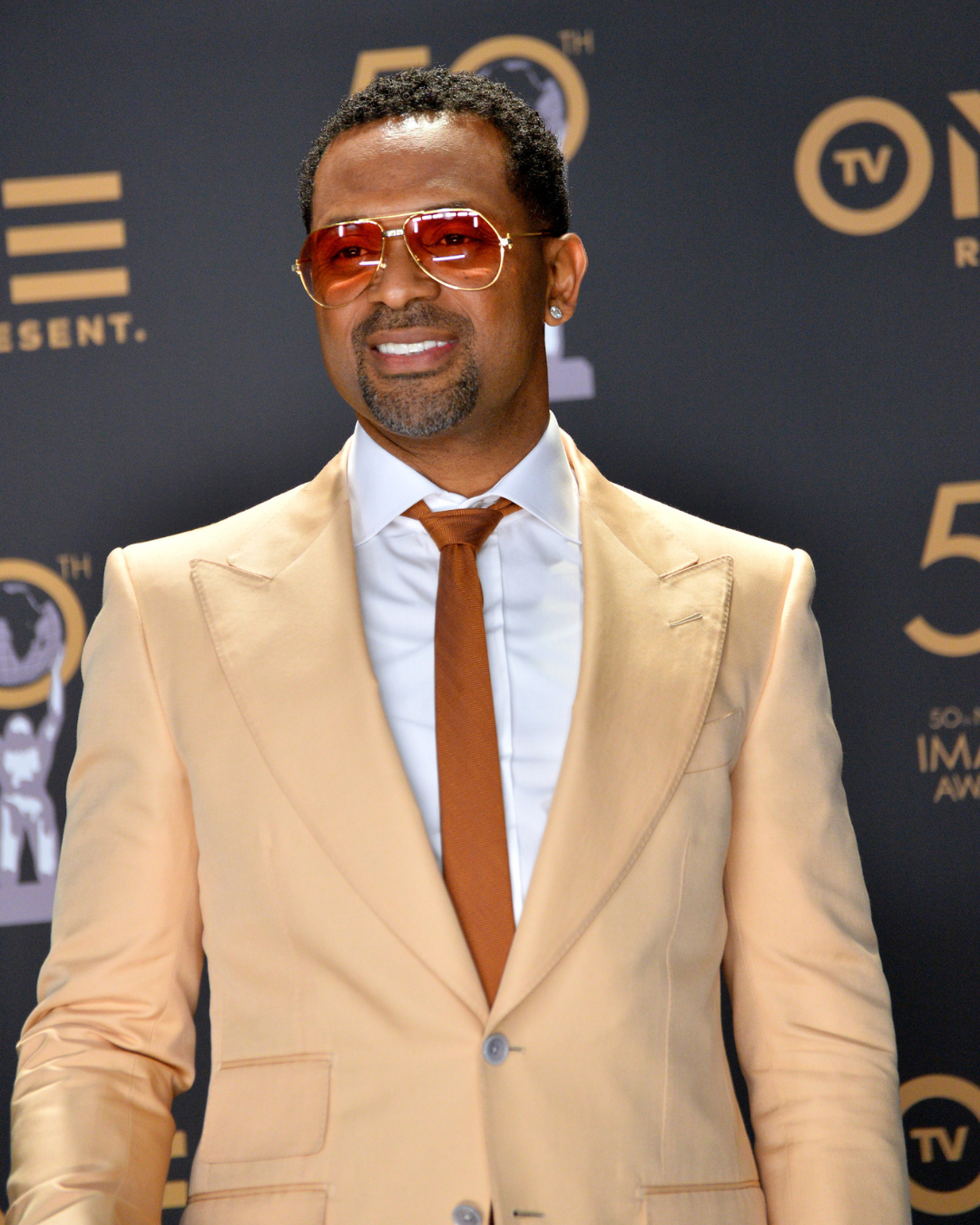
Mike Epps Questions Why We Spend Our Lives Chasing Things We Can’t Take With Us

Mike Epps is making people think about a question many of us rarely stop to consider: How much of our lives are we spending chasing things that ultimately won’t matter?

The comedian and actor has sparked a conversation about money, possessions and the pressure to constantly have more, pointing to a simple reality that can be easy to forget.

“You really don’t own nothing in this life.”

The statement may sound blunt, but the idea behind it is surprisingly profound.

We spend years working for bigger homes, newer cars, designer clothes, expensive vacations and bank accounts that we hope will eventually make us feel secure. We celebrate when we finally buy something we’ve wanted for years. Then, almost immediately, we begin thinking about the next thing.

But where does it end?

When Having More Becomes the Goal

Money itself isn’t the problem.

Having financial security can provide stability, opportunities and peace of mind. Being able to support your family, prepare for the future and enjoy the fruits of your work can be incredibly meaningful.

The question is what happens when having more becomes the measure of success.

Social media has made that pressure even harder to escape. Every day, people see someone else’s house, car, vacation, jewelry, clothing or lifestyle.

It can create the feeling that we’re falling behind even when we’re doing perfectly fine.

Psychologists have long studied the relationship between possessions and identity. According to the American Psychological Association, possessions can become closely connected to how people see themselves and how they believe others see them.

That may help explain why letting go of things can sometimes feel much harder than simply cleaning out a closet.

We’re not always just giving away an object.

Sometimes we’re giving away a piece of the identity we attached to it.

What Do We Really Own?

Epps’ question becomes even more powerful when we think about time.

You can spend decades building a business, buying property and collecting possessions. But you can’t take your house with you forever.

You can’t take your car.

You can’t take your designer clothes.

You can’t take your bank account.

And you certainly can’t take the hours you spent working to acquire them.

That doesn’t mean possessions are meaningless. A home can provide comfort. A car can provide transportation. Money can create opportunities. Things can bring genuine happiness.

But perhaps they become dangerous when they become the purpose of our lives instead of tools that help us live them.

Are We Working Too Hard to Impress People?

Another uncomfortable question is how much of what we buy is actually for ourselves.

How many purchases come from genuine need or enjoyment and how many come from wanting other people to notice?

A bigger house.

A more expensive car.

The latest phone.

The perfect vacation photo.

The expensive restaurant.

Sometimes the goal isn’t simply to enjoy these things. It’s to communicate something about who we are.

And that can become exhausting.

Because once your happiness depends on maintaining an image, there is always something else to chase.

The Difference Between Wealth and a Meaningful Life

True financial success doesn’t necessarily mean rejecting money or living without nice things.

It can mean putting money in its proper place.

Save it.

Invest it.

Use it to take care of your family.

Use it to create opportunities.

Use it to buy back some of your time.

But don’t allow it to become the only scoreboard by which you measure your life.

After all, a person can have an impressive house and still feel empty inside.

Another person can have far less and still feel incredibly rich because they have family, friendships, memories, freedom and time.

Maybe We Should Ask a Different Question

Instead of constantly asking, “What else can I get?”

Maybe we should sometimes ask:

“What am I actually living for?”

The answer may have very little to do with material possessions.

It might be spending more time with your children.

Taking care of your parents.

Traveling while you’re still healthy enough to enjoy it.

Calling an old friend.

Creating memories.

Helping someone who needs you.

Or simply having the freedom to wake up without feeling like your entire life belongs to your job.

So, Are We Too Obsessed With Money?

Maybe not everyone is.

But Epps’ message gives us a reason to pause.

Money matters. Financial security matters. Working hard matters.

But they aren’t the whole story.

At some point, we have to decide whether we’re using our money to build a life or spending our lives trying to build a bigger pile of things.

Because when everything is said and done, the things we spend years chasing may not be what we remember most.

We may remember the people.

The conversations.

The laughter.

The places we went.

The moments we almost missed because we were too busy working for the next thing.

Perhaps the real question isn’t how much we can own before we die.

It’s how much of our life we actually lived while we had the chance.

Mike Epps Questions Why We Spend Our Lives Chasing Things We Can’t Take With Us

Mike Epps is making people think about a question many of us rarely stop to consider: How much of our lives are we spending chasing things that ultimately won’t matter?

The comedian and actor has sparked a conversation about money, possessions and the pressure to constantly have more, pointing to a simple reality that can be easy to forget.

“You really don’t own nothing in this life.”

The statement may sound blunt, but the idea behind it is surprisingly profound.

We spend years working for bigger homes, newer cars, designer clothes, expensive vacations and bank accounts that we hope will eventually make us feel secure. We celebrate when we finally buy something we’ve wanted for years. Then, almost immediately, we begin thinking about the next thing.

But where does it end?

When Having More Becomes the Goal

Money itself isn’t the problem.

Having financial security can provide stability, opportunities and peace of mind. Being able to support your family, prepare for the future and enjoy the fruits of your work can be incredibly meaningful.

The question is what happens when having more becomes the measure of success.

Social media has made that pressure even harder to escape. Every day, people see someone else’s house, car, vacation, jewelry, clothing or lifestyle.

It can create the feeling that we’re falling behind even when we’re doing perfectly fine.

Psychologists have long studied the relationship between possessions and identity. According to the American Psychological Association, possessions can become closely connected to how people see themselves and how they believe others see them.

That may help explain why letting go of things can sometimes feel much harder than simply cleaning out a closet.

We’re not always just giving away an object.

Sometimes we’re giving away a piece of the identity we attached to it.

What Do We Really Own?

Epps’ question becomes even more powerful when we think about time.

You can spend decades building a business, buying property and collecting possessions. But you can’t take your house with you forever.

You can’t take your car.

You can’t take your designer clothes.

You can’t take your bank account.

And you certainly can’t take the hours you spent working to acquire them.

That doesn’t mean possessions are meaningless. A home can provide comfort. A car can provide transportation. Money can create opportunities. Things can bring genuine happiness.

But perhaps they become dangerous when they become the purpose of our lives instead of tools that help us live them.

Are We Working Too Hard to Impress People?

Another uncomfortable question is how much of what we buy is actually for ourselves.

How many purchases come from genuine need or enjoyment and how many come from wanting other people to notice?

A bigger house.

A more expensive car.

The latest phone.

The perfect vacation photo.

The expensive restaurant.

Sometimes the goal isn’t simply to enjoy these things. It’s to communicate something about who we are.

And that can become exhausting.

Because once your happiness depends on maintaining an image, there is always something else to chase.

The Difference Between Wealth and a Meaningful Life

True financial success doesn’t necessarily mean rejecting money or living without nice things.

It can mean putting money in its proper place.

Save it.

Invest it.

Use it to take care of your family.

Use it to create opportunities.

Use it to buy back some of your time.

But don’t allow it to become the only scoreboard by which you measure your life.

After all, a person can have an impressive house and still feel empty inside.

Another person can have far less and still feel incredibly rich because they have family, friendships, memories, freedom and time.

Maybe We Should Ask a Different Question

Instead of constantly asking, “What else can I get?”

Maybe we should sometimes ask:

“What am I actually living for?”

The answer may have very little to do with material possessions.

It might be spending more time with your children.

Taking care of your parents.

Traveling while you’re still healthy enough to enjoy it.

Calling an old friend.

Creating memories.

Helping someone who needs you.

Or simply having the freedom to wake up without feeling like your entire life belongs to your job.

So, Are We Too Obsessed With Money?

Maybe not everyone is.

But Epps’ message gives us a reason to pause.

Money matters. Financial security matters. Working hard matters.

But they aren’t the whole story.

At some point, we have to decide whether we’re using our money to build a life or spending our lives trying to build a bigger pile of things.

Because when everything is said and done, the things we spend years chasing may not be what we remember most.

We may remember the people.

The conversations.

The laughter.

The places we went.

The moments we almost missed because we were too busy working for the next thing.

Perhaps the real question isn’t how much we can own before we die.

It’s how much of our life we actually lived while we had the chance.

SIGN UP FOR
OUR NEWSLETTER

By subscribing, you agree to the Privacy Policy and Terms of Use.

MORE FOR YOU

Login

Don't have an account?