
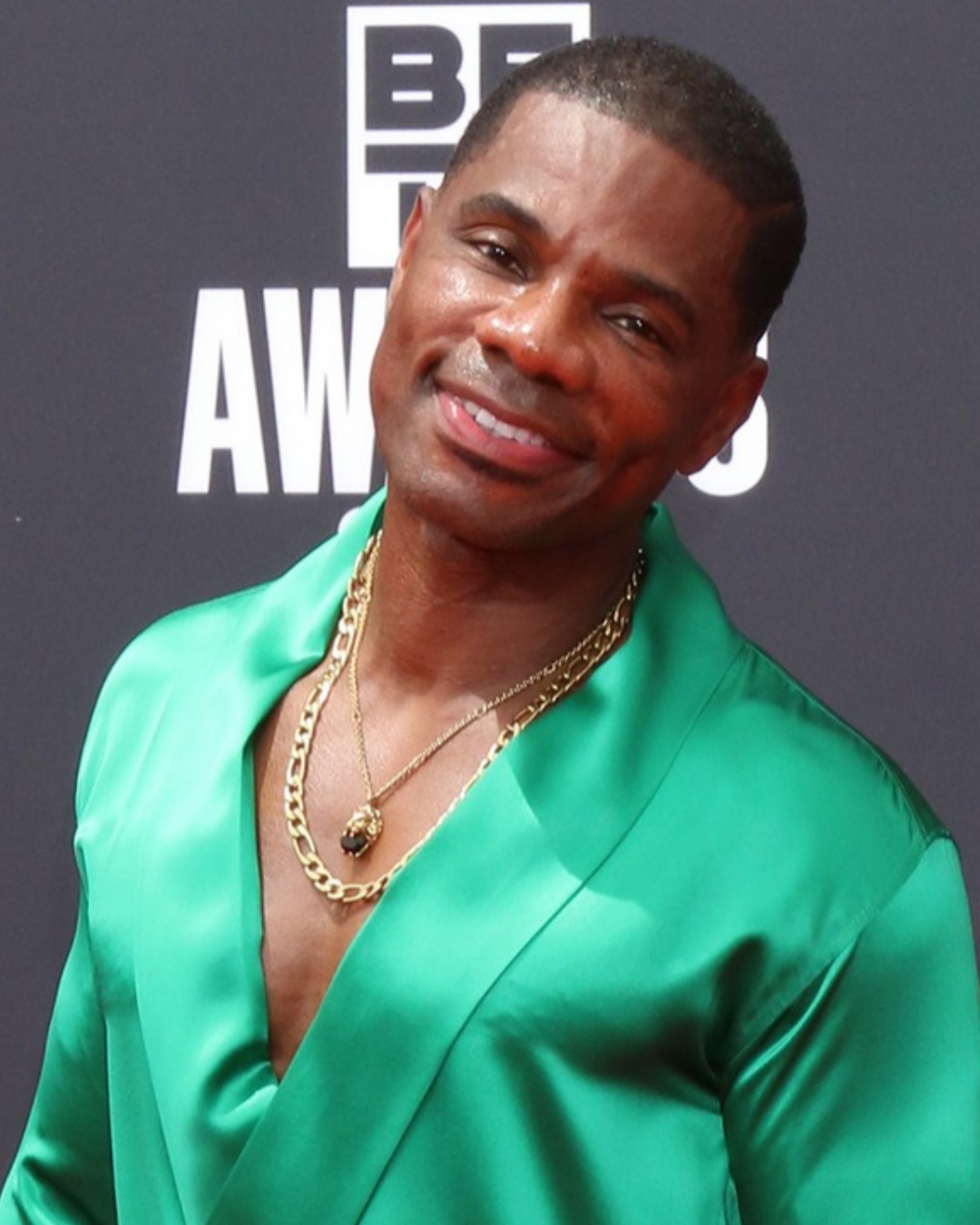
He Thought Marriage Would Solve His Struggles
Franklin has explained that he once believed marriage would help him overcome his struggles with pornography and promiscuity.
But getting married did not automatically change the habits and emotional challenges he carried into the relationship.
In a 2015 appearance on The Breakfast Club, Franklin discussed how he had expected marriage to help him leave pornography behind. He later realized that personal healing had to happen beyond simply entering a marriage.
The experience challenged his understanding of relationships.
Instead of viewing marriage as a solution to his struggles, Franklin began to recognize that he needed to address the issues within himself.
Franklin Has Spoken About His Past With Honesty
Franklin has discussed his struggles with pornography in several interviews over the years.
In a 2004 interview with CBN, he revealed that he first encountered pornography as a child and struggled with it for years. He also explained that the problem continued into his marriage with Tammy Franklin.
Eventually, he admitted his struggle to his wife and sought support. Tammy described wanting to work through the issue with him, while Franklin emphasized the importance of honesty and accountability.
Franklin has also spoken about his history of promiscuity.
In a 2010 interview with NPR, he explained that his early sexual experiences were connected to a deeper desire to fill emotional needs. He described how he had been searching for love and acceptance while growing up.
His reflections have helped audiences understand that his struggles were not simply about behavior, but also about the personal experiences that shaped him.
He Has Challenged the Idea That Marriage Fixes Everything
Franklin has continued to speak about the pressure people sometimes face to get married.
In 2024, he discussed what he described as the way marriage has been “weaponized” in some Christian communities. He argued that people are sometimes told to get married as a way to solve personal or spiritual struggles.
Franklin made his position clear, saying, “Marriage doesn’t fix sin.”
His comments reflected lessons he had learned from his own relationship.
Marriage can be meaningful and fulfilling, but it does not automatically resolve personal struggles, unhealthy habits or emotional wounds.
Franklin has encouraged people to understand that personal growth requires honesty, responsibility and a willingness to change.
His Story Is About More Than Addiction
For Franklin, speaking publicly about his past has become part of how he shares his faith and personal growth.
In a 2016 interview with PBS, he explained why he chooses to discuss difficult experiences instead of focusing only on his achievements.
“I heal as I reveal,” Franklin said.
He has often spoken about the value of being honest about personal struggles, especially when those experiences may help someone else.
His story also shows that public success does not mean a person has everything figured out behind the scenes.
Franklin has built a celebrated career in gospel music, but he has also acknowledged the difficult work involved in becoming healthier in his personal life.
A Reminder That Marriage Is Not a Cure
Franklin’s comments have opened up a broader conversation about relationships and personal responsibility.
Some people enter marriage believing that love, commitment or faith will automatically resolve the challenges they face. But relationships can also bring unresolved issues into sharper focus.
His experience suggests that personal healing and a strong relationship can work together, but one cannot replace the other.
Franklin’s openness about his past has also helped challenge the expectation that people in positions of faith or leadership must appear perfect.
By sharing his struggles, he has encouraged others to recognize that growth often begins with admitting that something needs to change.
